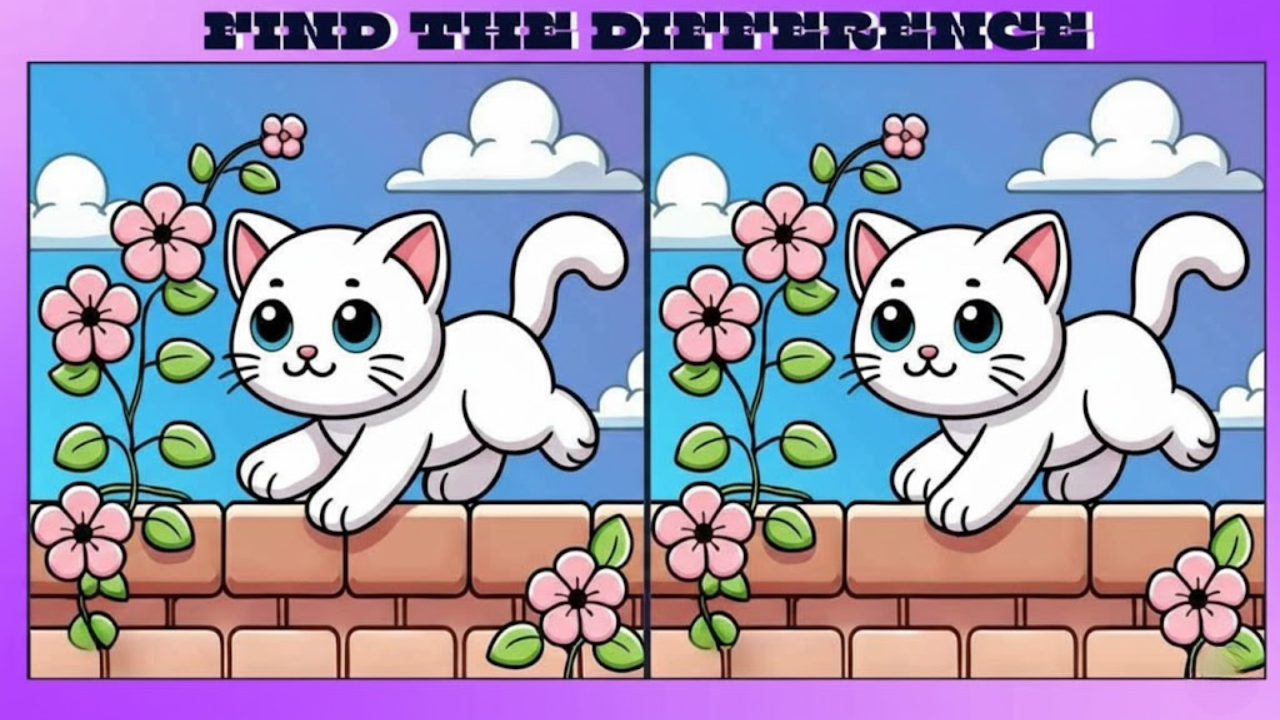
Think you have sharp eyes and quick reflexes? Here’s a fun visual challenge to put your observation skills to the test. You’re given two pictures of cute cats that look almost identical—but appearances can be deceiving. Hidden within them are three small differences, and your mission is to find all of them in just 15 seconds.
At first glance, both images may seem exactly the same. But look closely—tiny changes have been cleverly placed to trick your eyes. This challenge isn’t just entertaining; it also helps train your brain to notice details faster. Are you ready to beat the clock?
Why “Spot the Difference” Puzzles Are So Addictive
“Spot the Difference” puzzles have stood the test of time, and for good reason. They are simple to understand, yet surprisingly challenging. These puzzles push your brain to compare visuals, recognize patterns, and detect even the smallest inconsistencies.
Here’s why people of all ages enjoy them:
1. Sharpens Attention to Detail
These puzzles force you to slow down and truly observe what you’re seeing. Over time, regular practice improves your ability to catch small changes—not just in pictures, but in real life as well.
2. Boosts Brain Performance
While they look like simple games, these challenges activate multiple areas of the brain, including visual memory, processing speed, and focus. You’re not just looking—you’re actively comparing and recalling details.
3. Quick and Enjoyable Mental Exercise
You don’t need hours to benefit. Just a few minutes of visual puzzles can refresh your mind, making them perfect for short breaks during a busy day.
4. Suitable for All Ages
Whether you’re a child, adult, or senior, these puzzles are accessible and fun. They don’t require special skills—just curiosity and concentration.
Why the 15-Second Time Limit Makes It Tough
Adding a countdown instantly raises the difficulty level. With only 15 seconds on the clock, your brain has to work faster while staying accurate. The pressure makes it easy to miss details you might otherwise catch with more time.
The biggest challenge? Staying calm. Panic leads to rushed scanning, which often causes mistakes. The key is to focus, trust your instincts, and scan smart—not frantically.
How to Find the Differences Faster
If you’re wondering how anyone can spot three differences in just 15 seconds, here are some practical strategies:
Start with Obvious Focus Points
Faces, expressions, and accessories are common areas where differences are hidden. Begin by checking the cat’s eyes, mouth, ears, and facial features.
Scan the Background
Many people focus only on the main subject and ignore the surroundings. Look at the sky, trees, or objects in the background—changes are often placed there.
Divide the Image Mentally
Break the image into sections (top, middle, bottom). Compare one section at a time instead of jumping randomly across the image.
Don’t Second-Guess Yourself
If something looks different, trust your judgment and move on. Overthinking wastes precious seconds.
The 3 Hidden Differences Revealed
If you managed to find all three differences within the time limit—well done! If not, here’s what you may have missed:
1. Missing Eyebrow Detail
One of the cat images is missing an eyebrow, subtly changing its expression. It’s a tiny detail that’s easy to overlook unless you’re watching the face carefully.
2. Extra Star in the Sky
In one image, a small star appears in the sky above the trees. Because it’s part of the background, many viewers miss it entirely during the first scan.
3. Changed Tongue Shape
The cat’s tongue looks slightly different between the two images. This minor alteration affects the overall facial appearance and requires close attention to notice.
Finding all three differences quickly shows strong visual awareness and fast thinking.
How These Puzzles Improve Visual Skills
Visual challenges like this aren’t just for fun—they genuinely help improve how your brain processes information.
Better Pattern Recognition
Your brain learns to identify repeated shapes and structures, making it easier to detect when something is out of place.
Stronger Focus and Concentration
Completing puzzles under time pressure trains your brain to stay focused, even when distractions are present.
Faster Reaction Time
Short challenges improve mental speed, helping you react and decide more quickly in everyday situations.
Additional Benefits of Visual Brain Games
Beyond sharper eyesight, these puzzles offer several mental health and cognitive benefits:
- Improved Memory: You must remember what you saw moments ago and compare it accurately.
- Enhanced Problem-Solving: Actively searching for differences strengthens analytical thinking.
- Stress Reduction: Focusing on a lighthearted puzzle can help distract your mind from daily stress and refresh your mood.
How to Keep Improving Your Skills
If you enjoyed this challenge and want to level up, here’s how you can continue improving:
- Try puzzles with more differences or shorter time limits
- Practice consistently—even a few minutes a day helps
- Mix in other brain games like logic puzzles, memory tests, or number challenges
Final Thoughts: Ready for Another Challenge?
If you spotted all three differences in under 15 seconds, congratulations—you have excellent observation skills! If not, don’t worry. Like any ability, this one improves with practice.
“Spot the Difference” puzzles are a fun, effective way to train your brain, sharpen your focus, and boost mental agility. Keep challenging yourself, stay curious, and remember—there’s always another puzzle waiting to test your eyes and mind.
Ready for the next challenge? Keep looking closely!